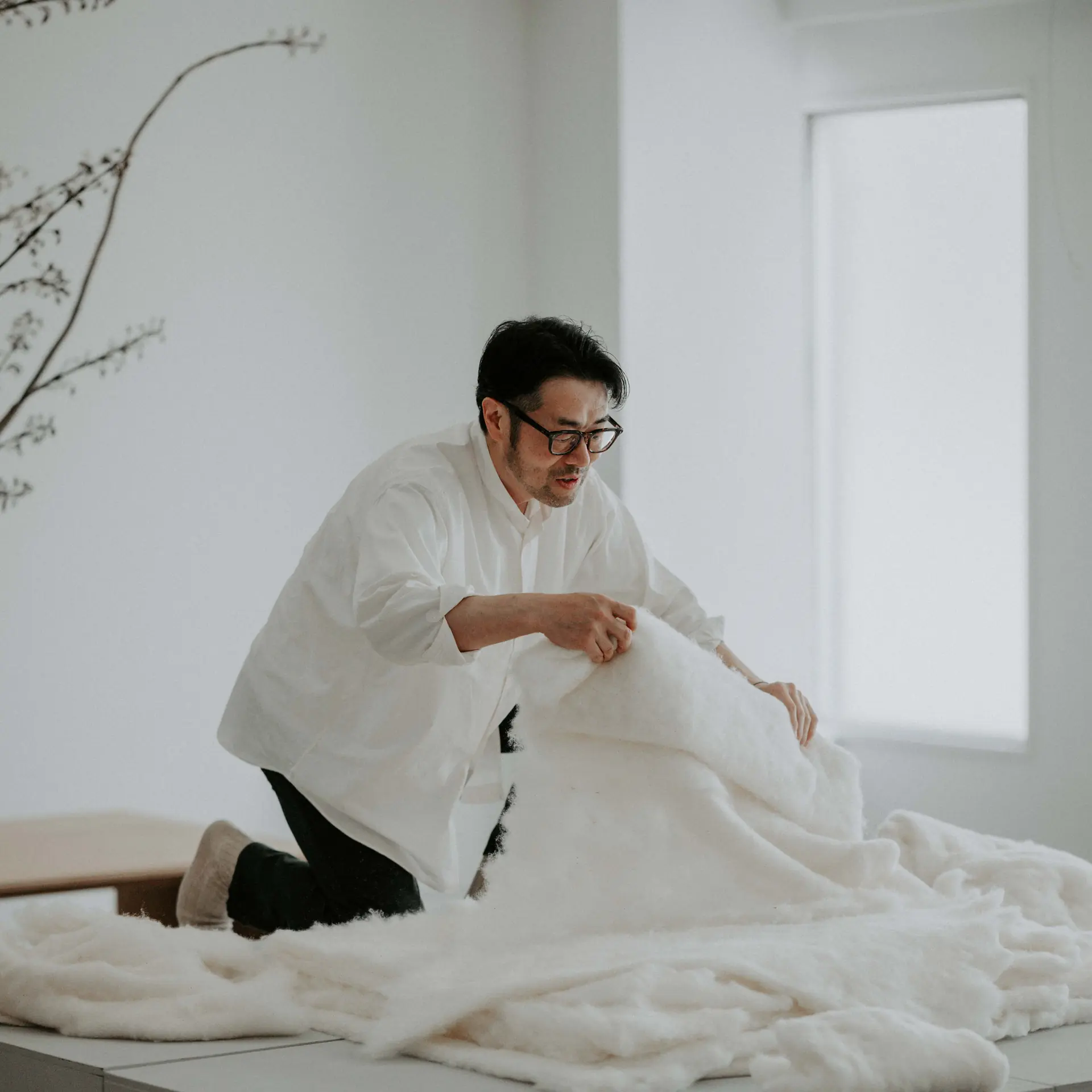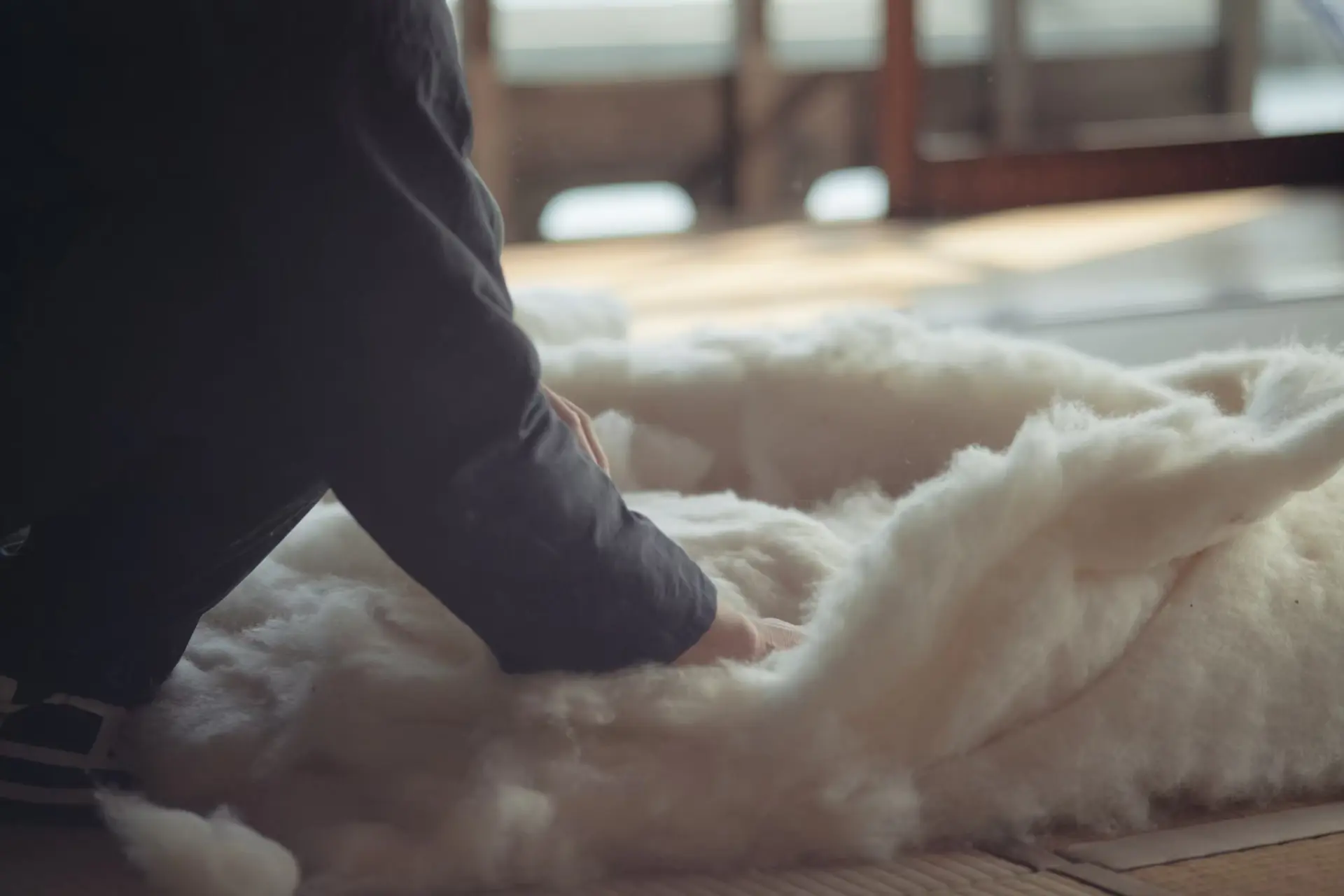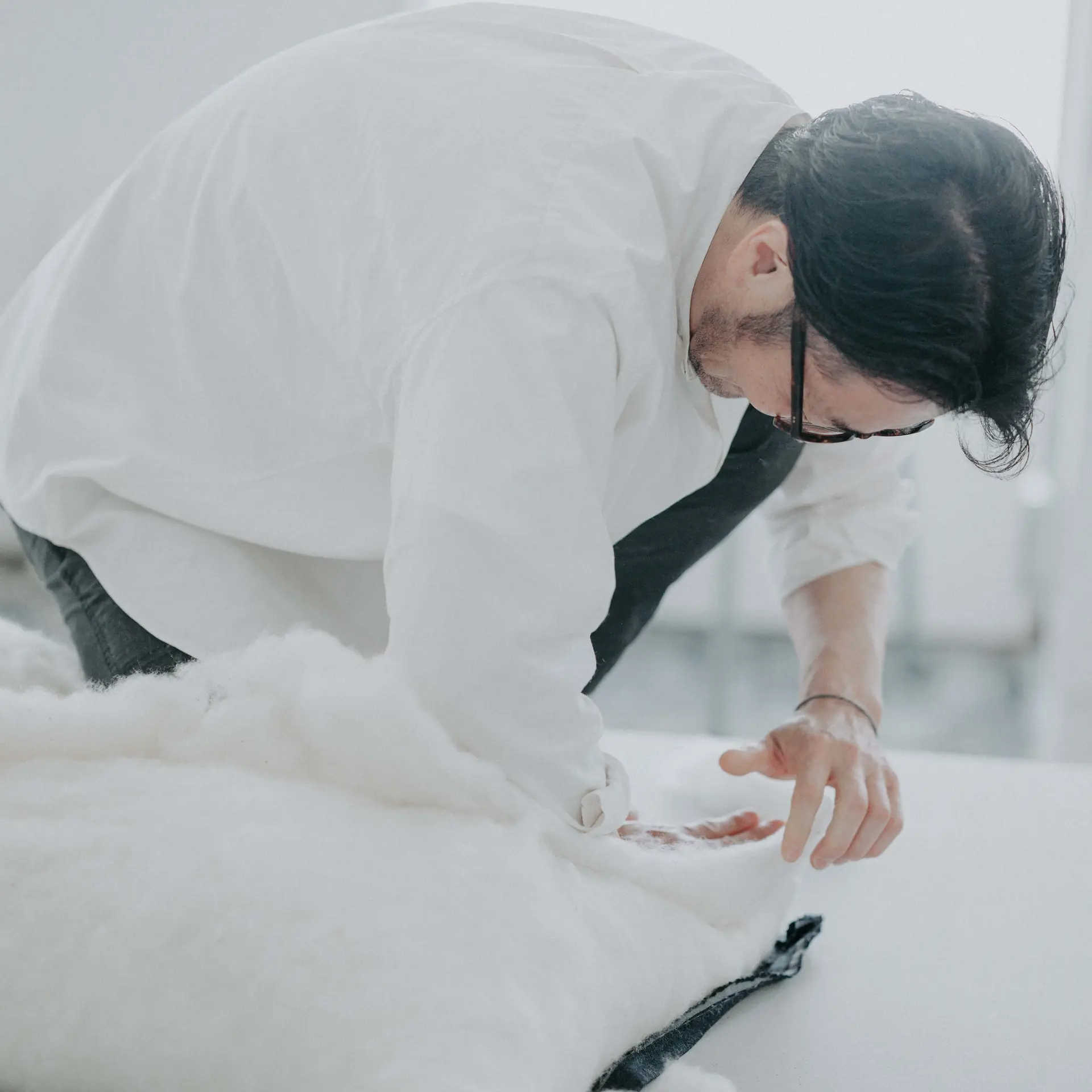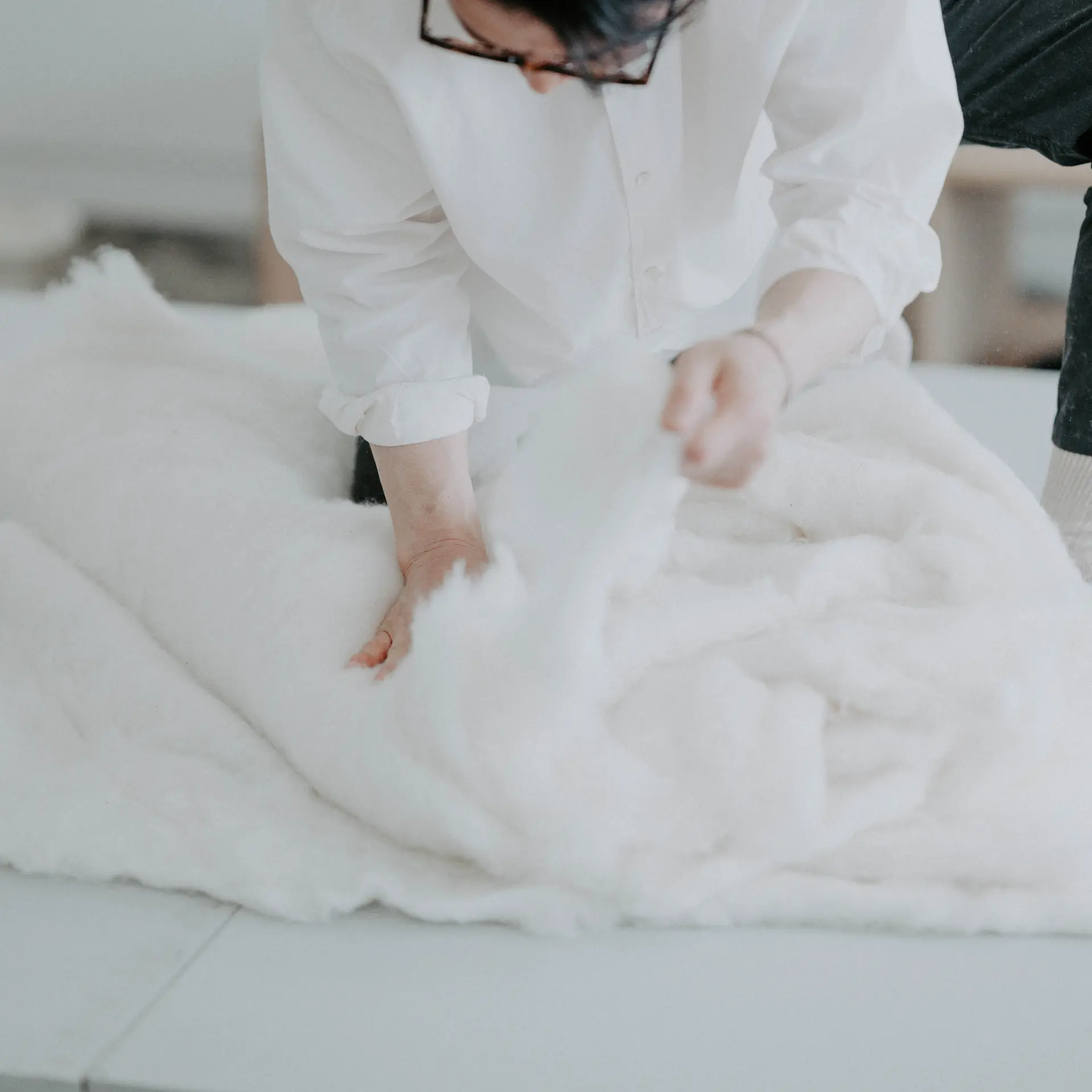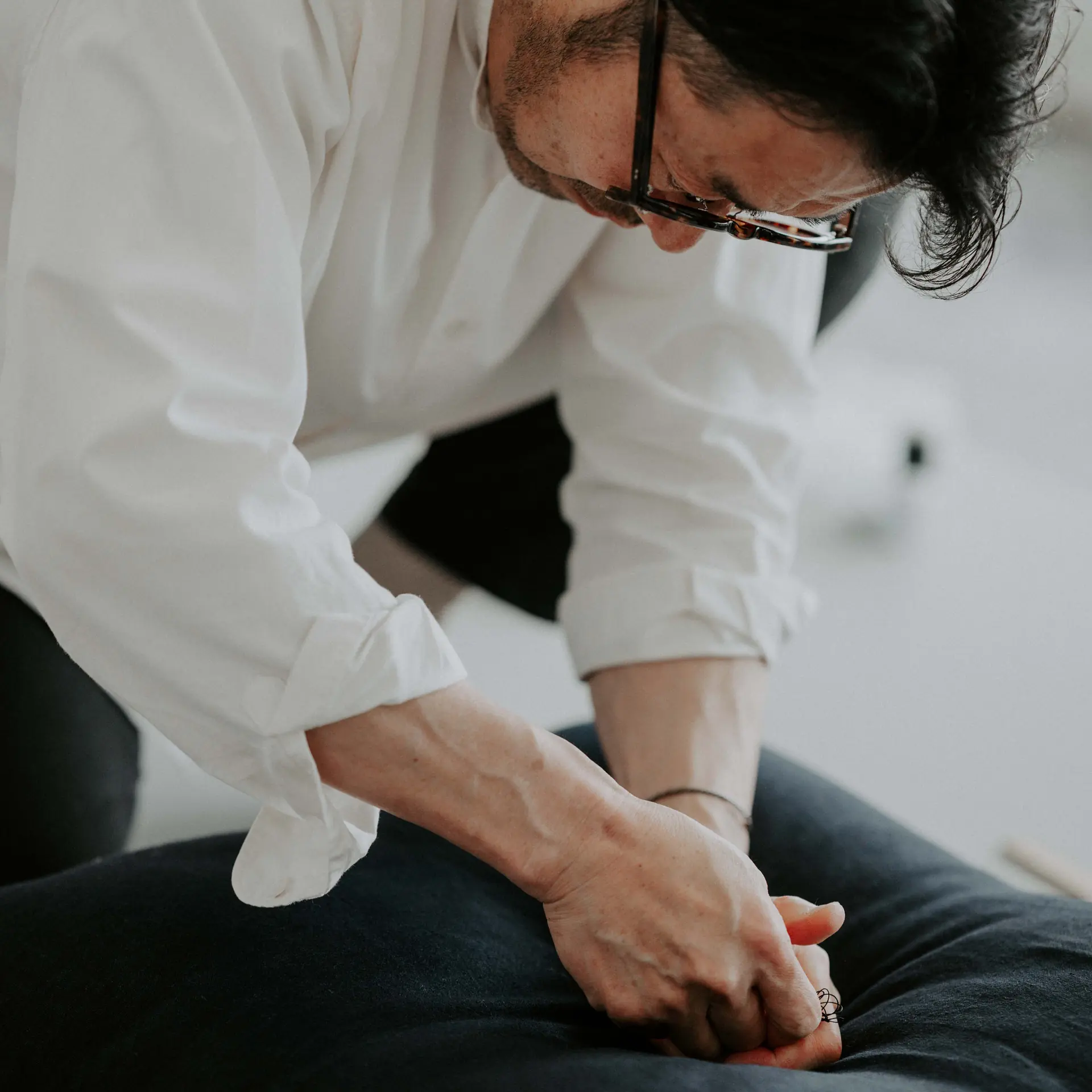
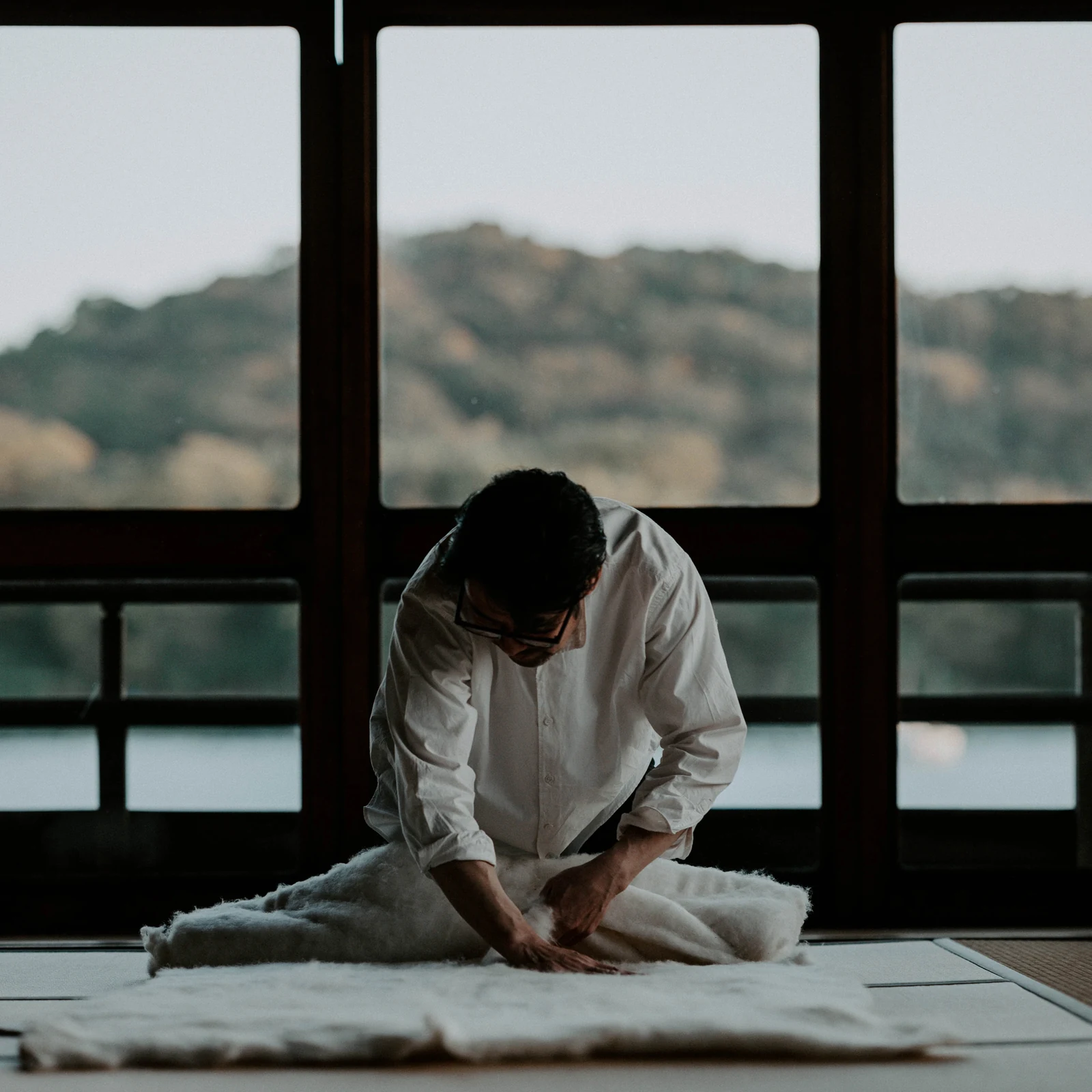
Takuya Niwa working a sheet of cotton on the floor of his workshop, by a window.

Crafting the Silence of Sleep

Cotton, and the time it takes to give it a shape by hand.

Silk floss drawn out thin against the light of a paper screen.

Cotton, and silk floss. Chosen for fibre length and thickness.

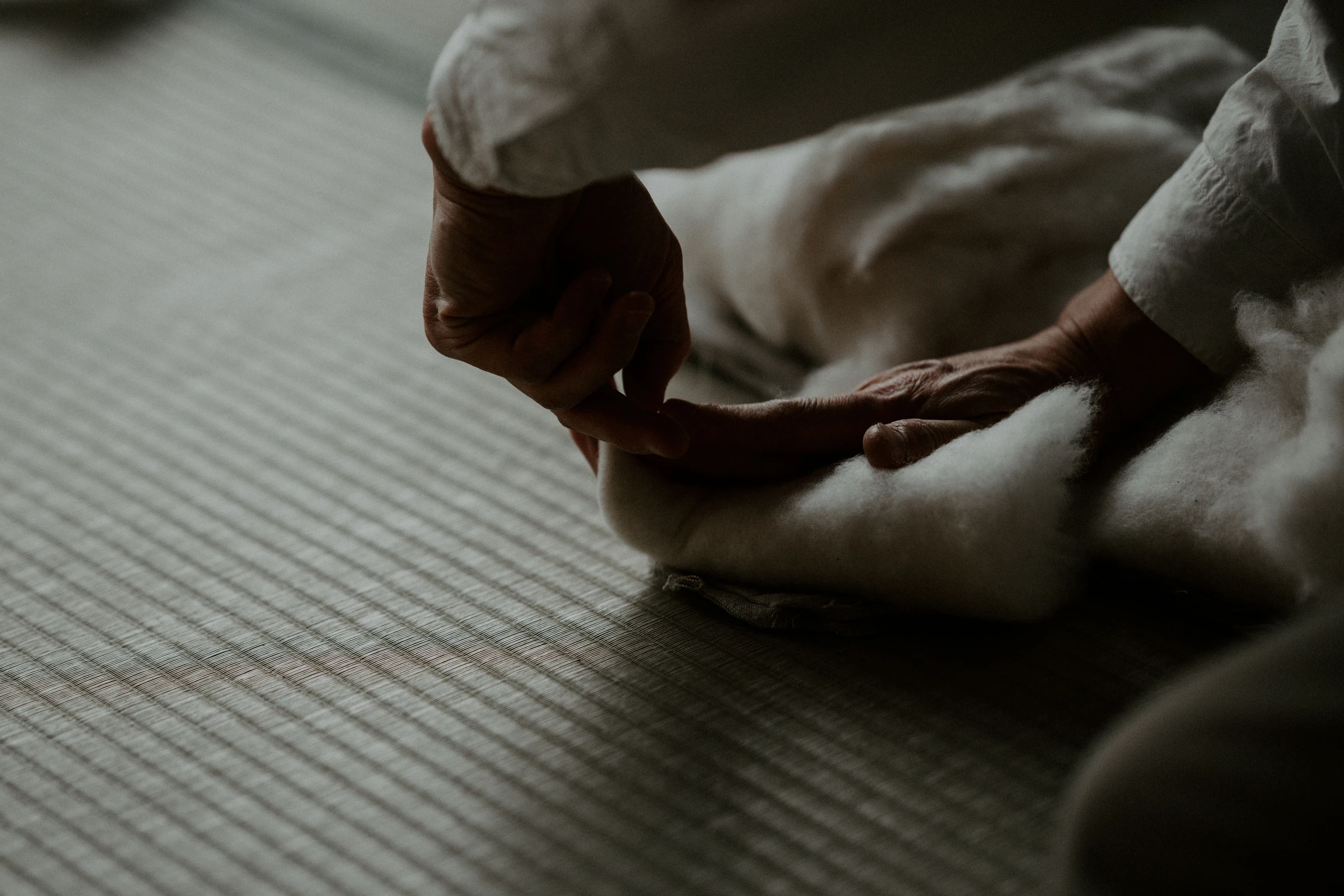
Hands spreading a sheet of cotton across tatami.
Raw cotton drawn out and layered by hand.
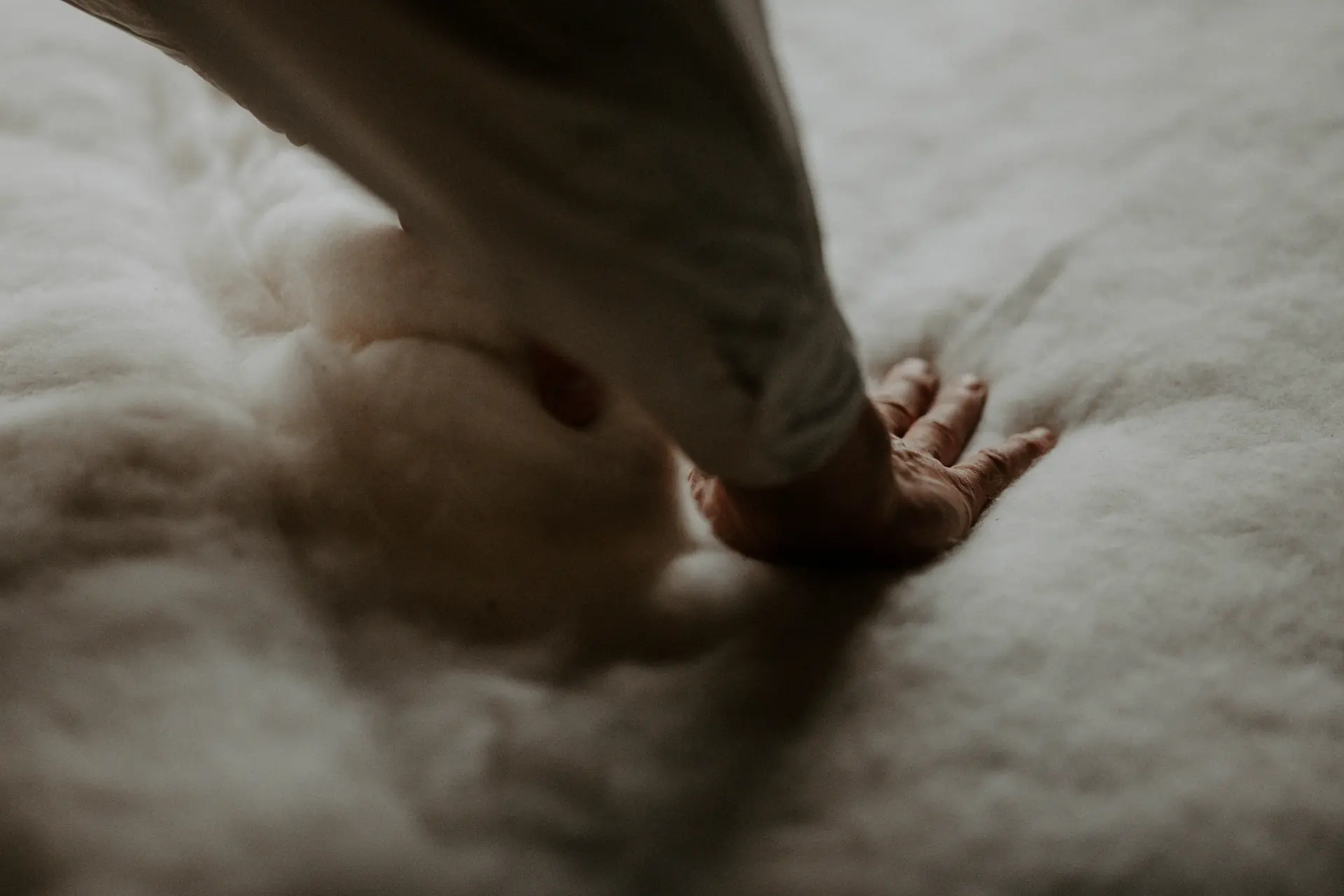
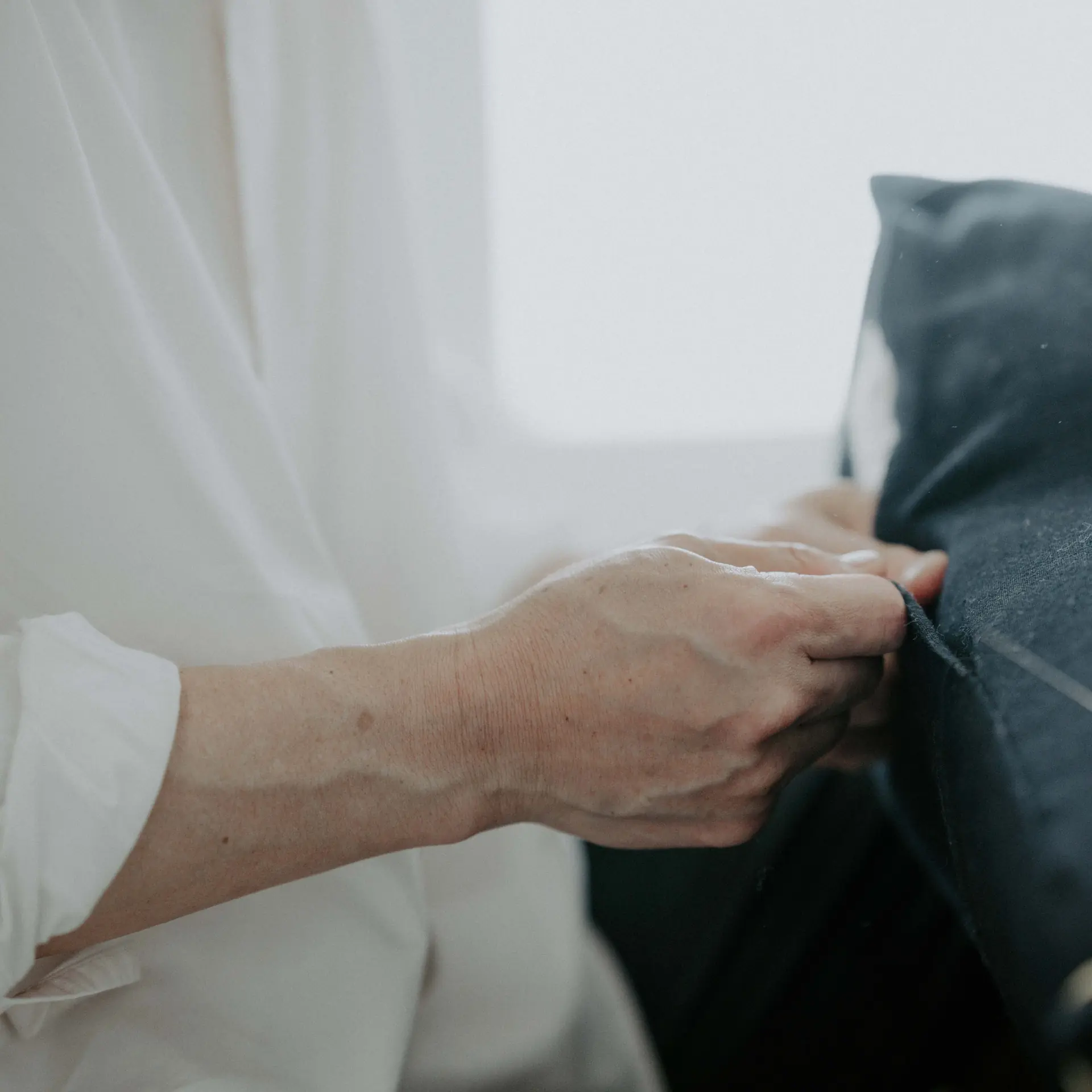
A hand pressed into a thick bed of cotton.
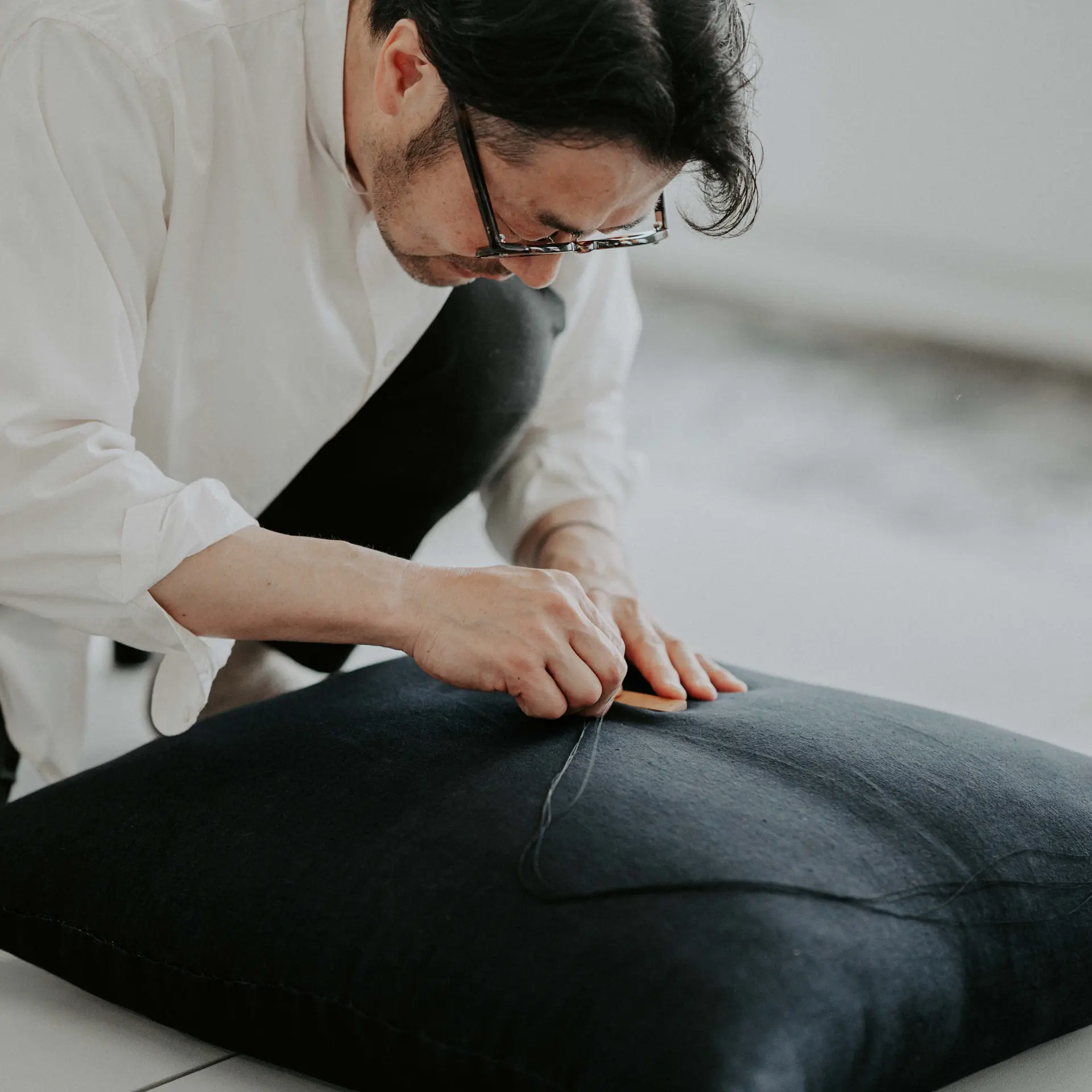
Hand stitching closing the corner of a cushion.
Hands working cotton in the low light of the workshop.
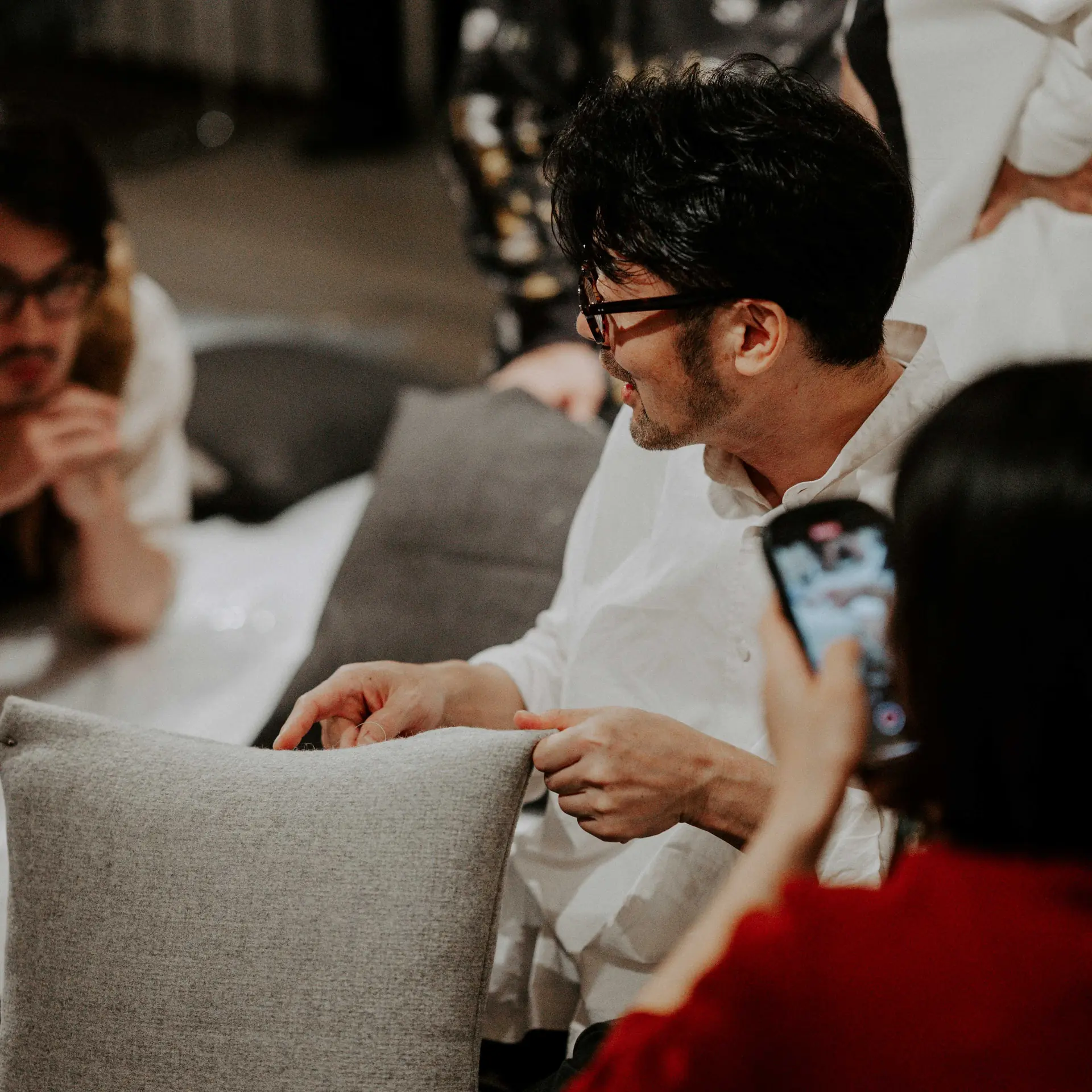
Takuya Niwa at work, in conversation across a piece of furniture.

The family began with cotton crafting.

Later it began selling futons. What ran the whole length of that work — from raw cotton through to a finished futon — is the part that survived, and it is the part still in use here.

The blending ratio came down from the cotton-crafting years. It belongs to no one else, and it is still the thing we are most particular about.

Cotton laid out flat and drawn into an even sheet.
The sheet of cotton folded back over itself.
The folded cotton pressed into a corner by hand.
The finished form held and closed with the hands.

Every futon begins with raw cotton.

The cotton is layered carefully to create elasticity and breathability.

The final form is shaped by hand and secured with precise stitching.

This process has remained unchanged for generations.

Made for the way people live now.

A futon and pillows laid out on a low platform in a bedroom.

Futon

Cottons of different hardness, layered. Springy enough not to give way under weight, gentle enough to settle into. Made to be used for a lifetime.
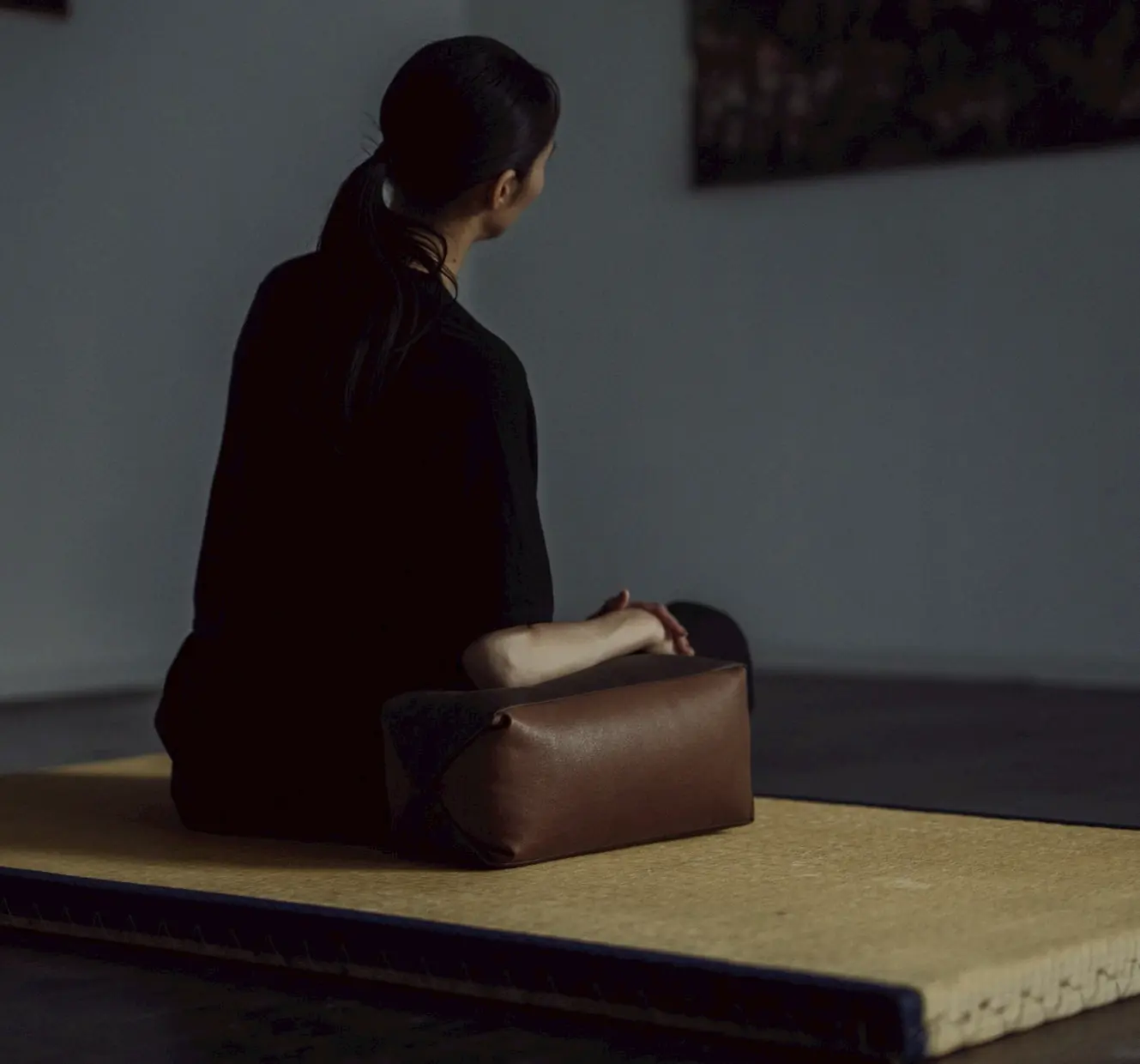
Someone sitting cross-legged on a zabuton, reading.

ZEN Zabuton

The same technique at a smaller scale. Several times the finished volume of cotton is stretched, reinforced and shaped by hand.
A person seated on the floor beside a KYO-SOKU armrest.

KYO-SOKU

Buckwheat husk wrapped in cotton wadding — solid, then soft. An armrest or a backrest, on the floor or on a sofa, whichever way you happen to sit.
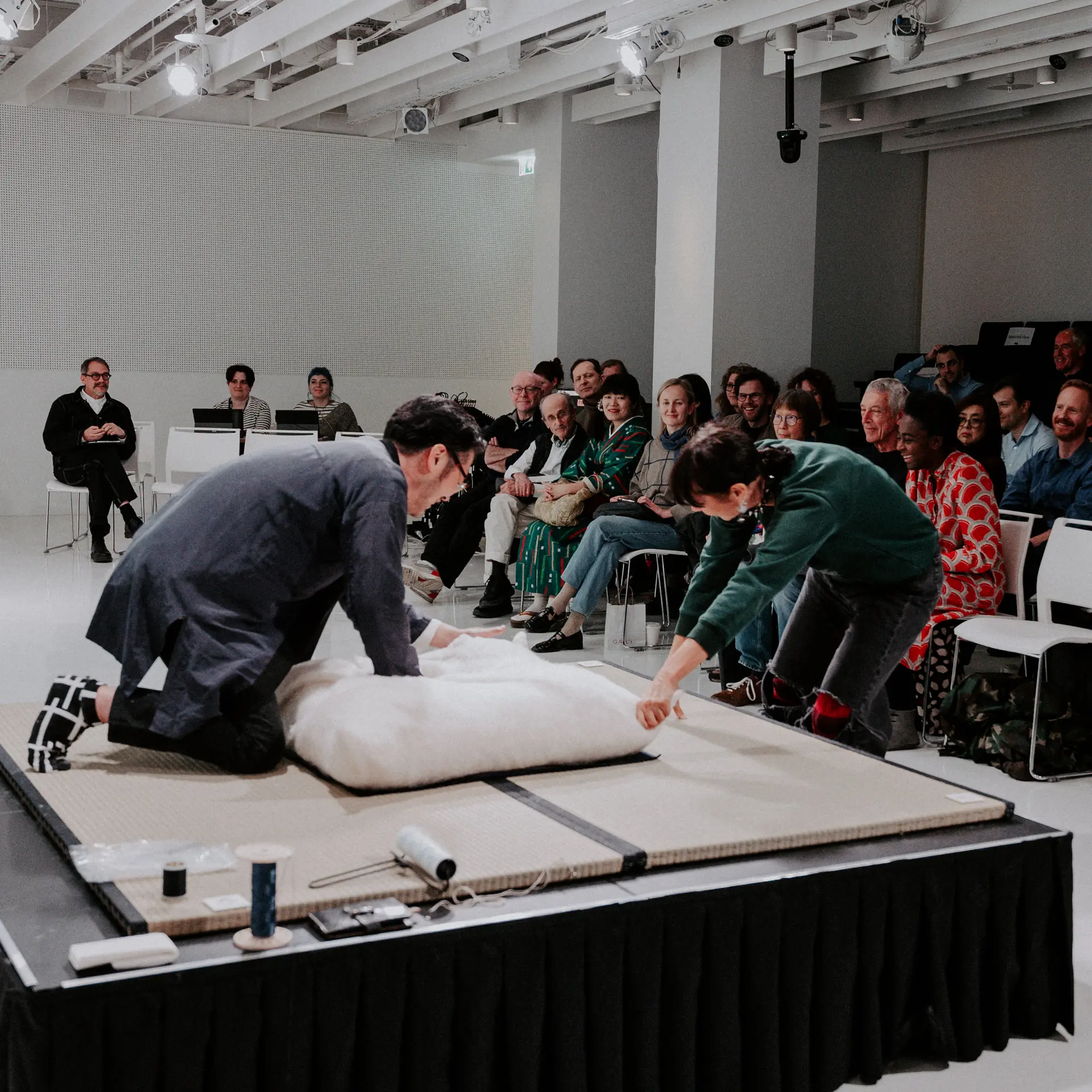

Working alongside people who want the same things opens rooms you could not have found alone.

  • London Craft Week
  • Japan House London
  • Demonstrations and workshops
  • Designers, fellow craftspeople and cultural institutions
Takuya Niwa working cotton on a low platform in front of an audience.
Bedding made for a collaborative project, laid out in a quiet, dimly lit room.
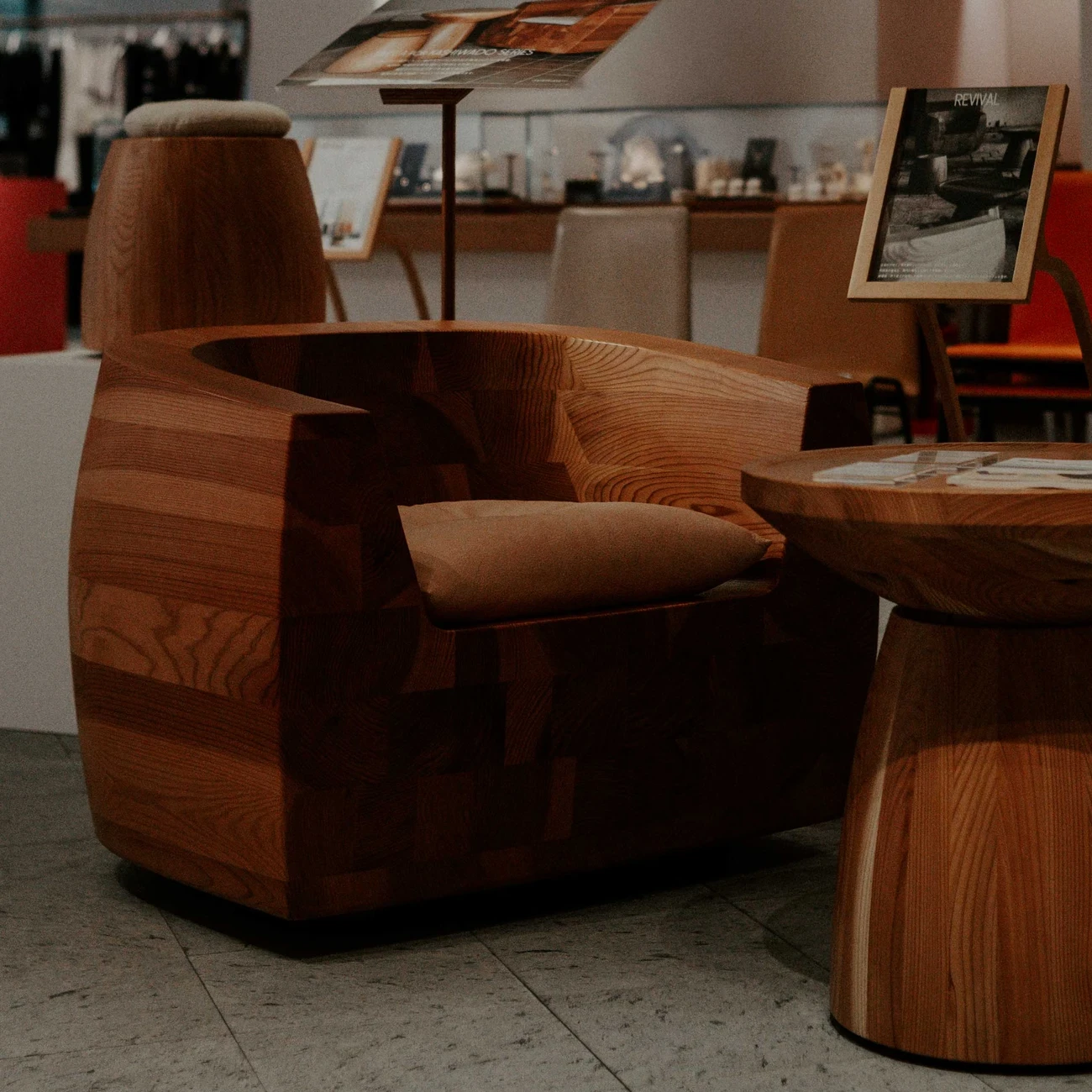
A wooden armchair with a cushion, made with a furniture workshop.

Made to be handed on.

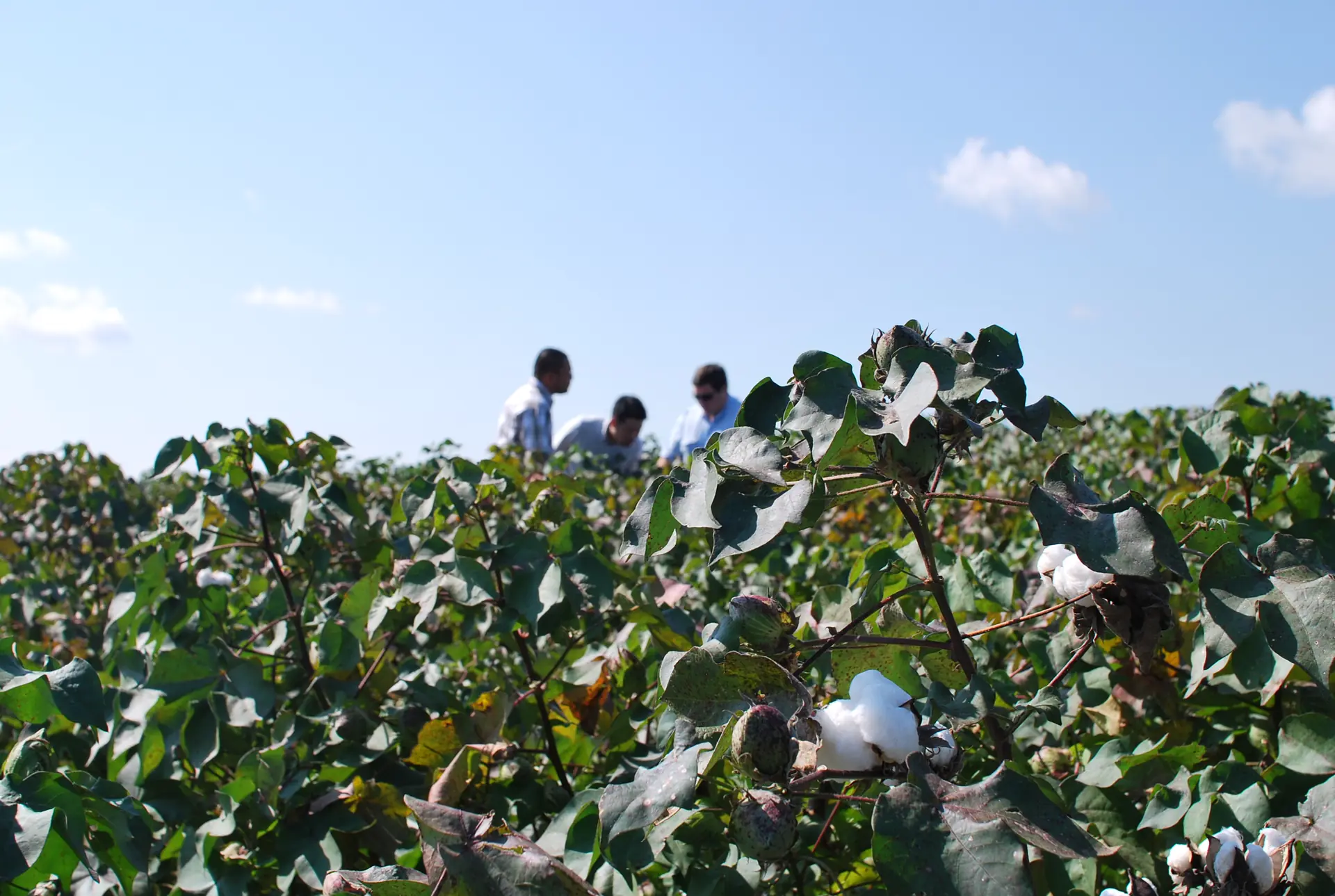
A cotton field under an open sky at harvest.
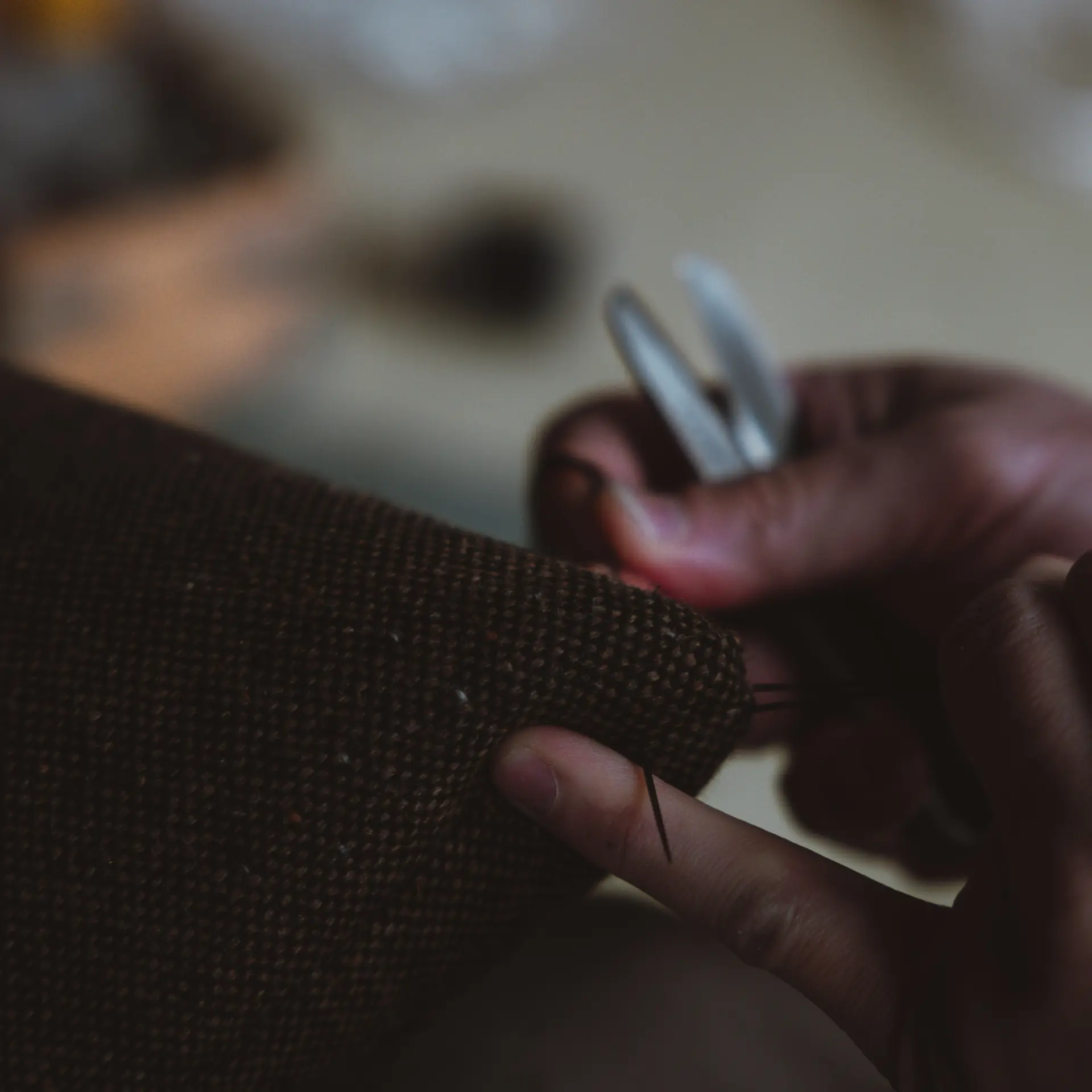
A needle drawn through cloth, close up.
  • The material can be used again.
  • A futon can pass from a parent to a child.
  • And the knowledge can pass to whoever comes next.

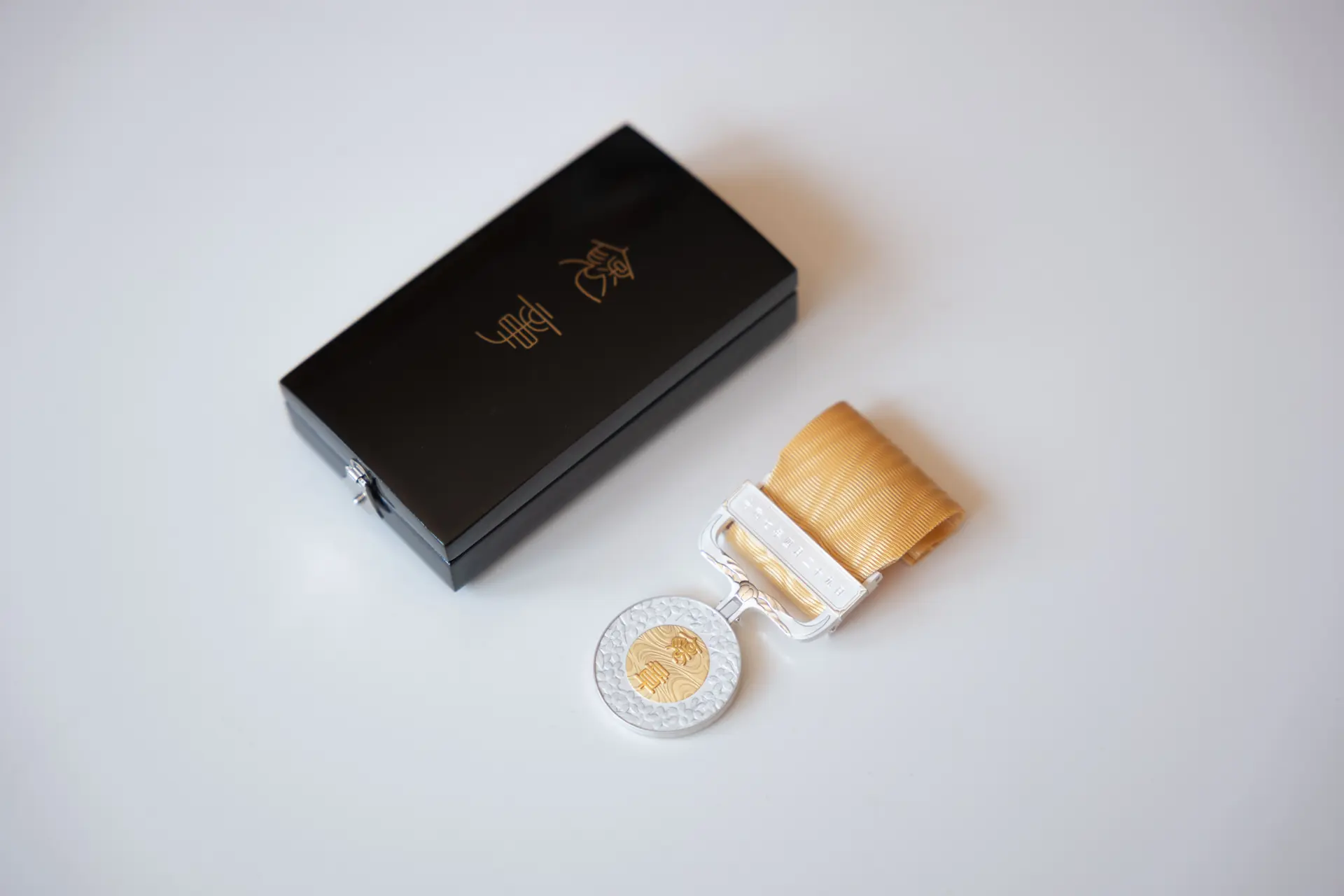
The work has been recognised: a win at the National Skills Grand Prix, designation as a Contemporary Master Craftsman, the Medal with Yellow Ribbon, and certification as a First-Class Bedding Manufacturing Technician.

The Medal with Yellow Ribbon in its case.

The workshop is in Atsuta, Nagoya.